

How to Coordinate Window Treatments With Your Interior Decor
Window treatments are a crucial aspect of interior decor that can enhance or detract from the overall aesthetic of a space. This guide will walk you through the various considerations and strategies for coordinating window treatments with your interior decor, creating a harmonious and visually pleasing environment.
Understanding Your Design Style
Identifying Your Current Decor Style
Determining your current decor style is the first step to effectively coordinating window treatments. You may have a love for modern lines, vintage touches, or an eclectic mix. By understanding the elements you gravitate towards, you can choose window treatments that enhance rather than clash with your existing pieces. The synergy between furniture, color palette, and window treatments can create a cohesive theme in your home. Identifying these elements can also prevent impulsive purchases and promote a well-thought-out decor strategy.
Exploring Common Window Treatment Styles
Window treatments can range from simple blinds to elaborate draperies. Popular styles include Roman shades, sheer curtains, and blackout curtains. Each style caters to different functionality and aesthetic preferences. It's essential to explore these options, considering how each can fit into your decor style and needs. Understanding what your space demands can lead you to the right choice that supports your design vision.
Matching Modern Decor with Sleek Treatments
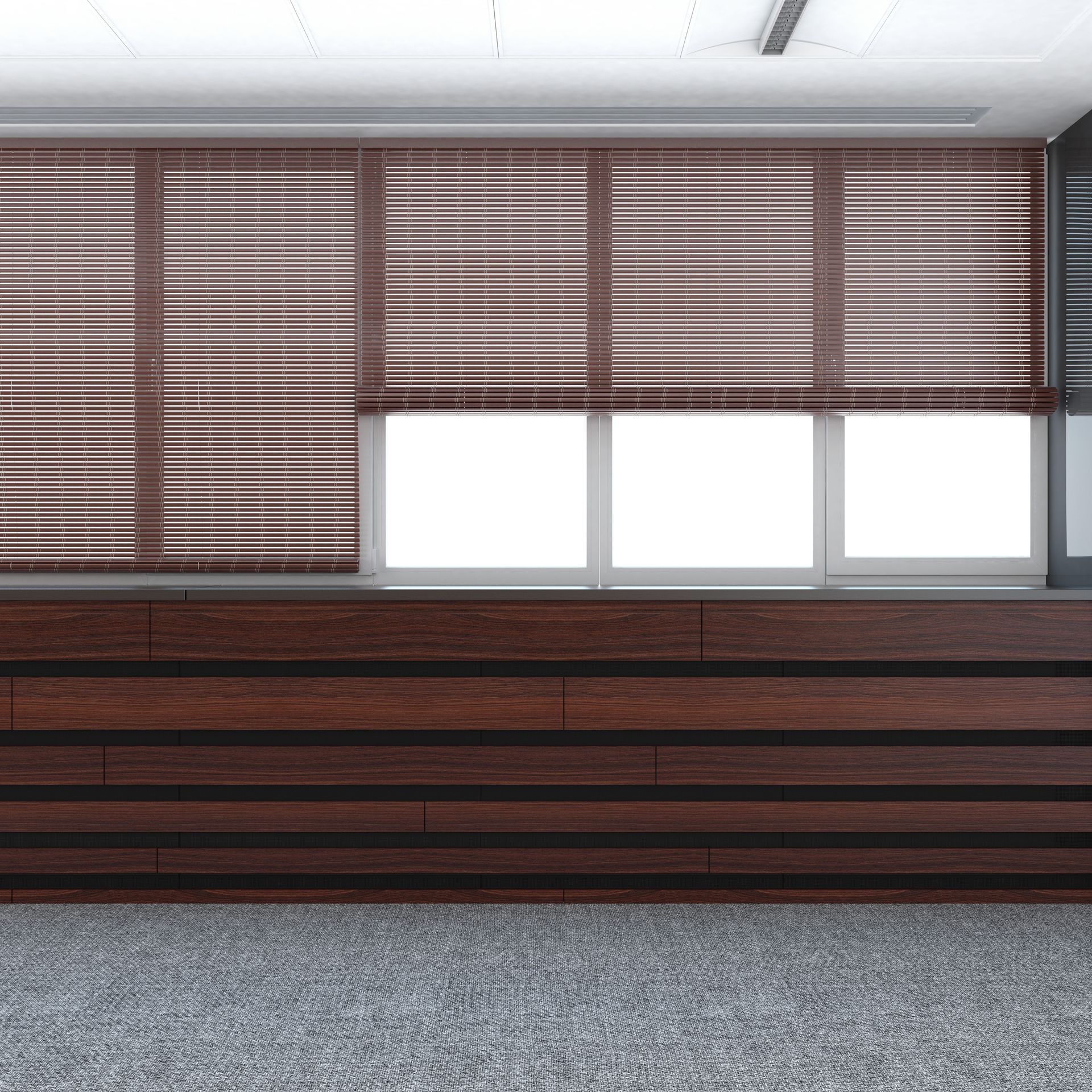
For modern decor, sleek and minimal window treatments are often the best fit. Options such as roller blinds or panel tracks complement the clean lines and uncluttered aesthetic of modern spaces. These treatments provide functionality without overwhelming the simplicity that defines modern styles. They can be kept neutral to blend in or be contrasted with bold colors for a splash of interest. The key is maintaining the balance between form and function, reflecting the essence of modern interiors.
Color Coordination
Using the Color Wheel to Guide Choices
The color wheel is a useful tool when coordinating your window treatments with your existing decor. Understanding color relationships such as complementary, analogous, and triadic setups can steer you towards harmonious combinations. For instance, matching blue walls with orange curtains can create a vibrant and dynamic space. It allows you to strategically choose colors that either contrast beautifully or create a subtle, seamless look. The right color coordination can dramatically affect the mood and perception of a room.
Complementary vs. Monochromatic Schemes
Opting for a complementary or monochromatic color scheme can significantly influence the aesthetic of your space. Complementary schemes can make bold statements while involving a more whimsical and vibrant direction. In contrast, monochromatic schemes evoke calmness and sophistication through color variants and tones. Carefully considering the visual impact these schemes have can enhance your overall design approach. Whether you want drama or tranquility, color is a powerful element in design.
Incorporating Accent Colors from Existing Decor
Incorporating accent colors from already present decor pieces can unify your space. For example, if you have a vibrant throw pillow or a statement piece of art, consider using those colors in your window treatments. Doing so ties your decor together, creating a cohesive and curated look. It reflects attention to detail while allowing your personality and style to shine through. Accent colors often serve as the bridge connecting diverse room elements into a unified whole.
Fabric and Material Selection
Understanding How Fabric Affects Style
The choice of fabric plays a crucial role in dictating the style and feel of your window treatments. Sheer fabrics can lend an airy and light feel, perfect for casual or coastal designs. Heavy fabrics like velvet or brocade can add a sense of luxury and privacy, making them ideal for traditional or formal interiors. Understanding your decor style can guide you in choosing the right fabric that enhances your room's vibe. The weight, texture, and pattern of the fabric should align with your overall design intent.
Choosing Durable Materials for High-Traffic Rooms
In high-traffic areas of the home, such as living rooms or kitchens, durability is a factor to prioritize in your window treatment selection. Materials like polyester blends and durable cotton can withstand wear and tear while maintaining their appearance over time. Longevity should not compromise style, as many durable fabrics now offer both beauty and toughness. Opting for durable treatments can save you money in the long run by reducing the frequency of replacements. This approach also ensures that high-use areas remain aesthetically pleasing and functional.
Integrating Textures to Add Dimension
Incorporating textures can add depth and sophistication to your space. Mixing textures through materials like bamboo, linen, or even leather can create visual interest. It's an effective way to subtly accentuate certain areas without overpowering the design. Combining different textures within your window treatments can enhance various elements in your decor. This layering of tactile elements invites a richer, more engaging aesthetic experience.
Functionality and Practicality
Addressing Privacy Needs with Appropriate Treatments
Privacy is a vital consideration when selecting window treatments. Options like blackout curtains or top-down-bottom-up shades can offer enhanced privacy, especially in bedrooms or bathrooms. In living areas where natural light is desired, sheer curtains or blinds can provide privacy without sacrificing light. Balancing privacy with aesthetic appeal can elevate both the function and form of a space. According to Market Research Future, the global window blind market size exceeds $71.15 billion, reflecting the importance of this element in homes worldwide.
Balancing Light Control and Aesthetic Appeal
Light control is another crucial aspect to consider in window treatments. The way natural light interacts with the materials in your space can drastically alter atmosphere and comfort. Layered treatments like sheer curtains beneath heavier drapes allow you to adapt to changing light conditions. This flexibility ensures that you maintain control over brightness and comfort in your space while aligning with your design goals. Such a balance promotes both functionality and style, crucial for any well-rounded decor plan.
Considering Maintenance and Cleanliness
Considering the maintenance and cleanliness of your window treatments can save time and effort. Some fabrics and materials attract dust or are susceptible to stains, requiring specific cleaning methods. Choosing easy-to-clean materials can ensure your spaces stay fresh with minimal effort. It's especially important in homes with pets or children where spills and messes are more frequent. Practicality in maintenance doesn't mean you need to sacrifice on style – many aesthetically pleasing treatments also offer durable and low-maintenance options.
Customizing Window Treatments
Recognizing the Benefits of Custom Solutions
Custom window treatments provide tailored solutions that fit your specific design and functional needs. They can be made to fit oddly shaped windows, ensuring seamless integration with your space. Custom options allow for precise control over material, color, and style choices aligned with your unique vision. Additionally, a custom fit can enhance energy efficiency, reducing drafts and controlling room temperature. Investing in custom solutions can elevate your home's appearance and liveability.
Measuring for Perfect Fit and Function
Accurate measurements are crucial in achieving the perfect fit for your window treatments. Ill-fitting curtains or blinds can detract from the overall look and performance of your windows. Custom solutions begin by taking detailed measurements to ensure a perfect, functional fit. This process eliminates gaps that might compromise privacy or energy efficiency. Properly fitted window treatments not only enhance the aesthetic appeal but also optimize their intended functions.
Collaborating with Designers for Unique Creations
Collaborating with designers can lead to unique window treatments that elevate your interior decor. Designers bring an expert eye and can suggest innovative solutions you might not have considered. This collaboration can result in perfectly coordinated treatments that match or enhance existing room elements. Designers can help in blending functionality with aesthetic pleasure, creating pieces that are both beautiful and practical. This partnership often culminates in solutions that reflect your taste and maximize your space's potential.
Layering and Combination Techniques
Utilizing Blinds and Curtains Together
Combining blinds with curtains can offer a versatile approach to window treatments. This layered technique provides numerous benefits, including enhanced light control and privacy. Blinds offer precise control over light entry, while curtains add warmth and style. By integrating both, you can adapt the window treatment to various needs and times of day. This layered approach offers an all-encompassing solution, maximizing both function and visual appeal in a room.
Incorporating Valances and Cornices
Valances and cornices can be used to add architectural interest above windows. Valances, made of fabric, offer a soft finish ideal for transitional decor. Cornices, usually constructed of wood, provide a more formal, structured look suited for traditional or contemporary spaces. These elements frame the window treatments below, adding depth and detail. When skillfully applied, valances and cornices can act as accent pieces that elevate the overall room design.
Mixing Patterns and Textures in Layers
Mixing patterns and textures through layered window treatments adds richness and character to your decor. You'll want to balance bold patterns with neutral textures to avoid overwhelming the space. Combining these elements requires a careful eye for color and scale, ensuring each layer complements the next. This mix can bring out various room features, emphasizing your decor theme. Layering patterns and fabrics in this way bestows complexity and sophistication on any setting.
By carefully coordinating your window treatments with your interior decor, you can achieve a seamless and inviting space. Whether you aim for a minimalist look or a rich, layered aesthetic, understanding your design style, color preferences, fabric choices, and practical needs will guide you in creating a home that reflects your personality and taste while maintaining functionality and beauty. If you're looking for new window treatments, contact Accent On Windows today.







Share On: